
What Supplements Are Best for Dogs at Every Age?
Wondering what supplements are best for your dog at different ages? This guide explains which supplements can help support healthy
Order before 3pm and we ship the same day
Your cart information will not be stored on our servers
Take advantage of our multibuy discounts
3 FOR 2 ON ALL PRODUCTS – MIX & MATCH
Discount applied at checkout
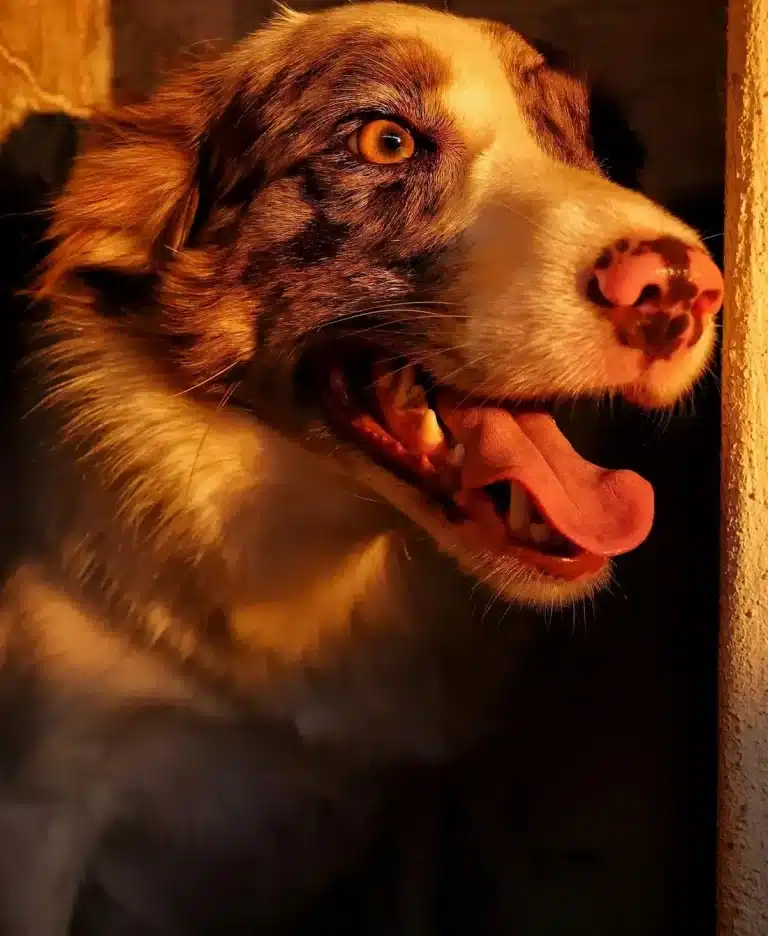
Dog anxiety is more common than many pet owners realise. Loud noises, separation from their owner, unfamiliar environments, or past experiences can all cause stress in dogs.
If left unmanaged, anxiety can affect your dog’s behaviour, sleep, and overall well-being.
Learning to recognise the early signs of anxiety in dogs can help you take steps to support their comfort and confidence.
One of the most noticeable signs of anxiety in dogs is excessive vocalisation.
If your dog frequently barks, whines, or howls when you leave the house, they may be experiencing separation anxiety.
Dogs use vocalisation as a way to express distress or seek reassurance from their owner.
An anxious dog or cat may chew furniture, scratch doors, or damage household items when feeling stressed.
While it may seem like misbehaviour, this is often a coping mechanism for anxiety.
Common destructive behaviours include:
Dogs & Cats with anxiety often struggle to settle down.
If your dog repeatedly paces around the house, circles rooms, or seems constantly restless, it may be a sign they are feeling stressed or uneasy.
This behaviour often occurs during situations such as:
Panting after exercise is normal, but excessive panting when your dog is resting can indicate anxiety.
Other physical symptoms include:
These signs commonly appear during stressful events like loud noises or unfamiliar surroundings.
Some dogs & cats respond to anxiety by withdrawing.
They may hide under furniture, avoid eye contact, or retreat to quiet areas of the home.
This behaviour is often a sign your dog or cat is feeling overwhelmed and trying to escape a stressful situation.
Stress can affect a dog’s eating habits.
If your dog suddenly loses interest in food or treats, anxiety may be the cause — particularly during travel, vet visits, or new environments.
Some dogs cope with stress through repetitive behaviours like licking or chewing their paws.
While occasional grooming is normal, excessive licking can be a sign of ongoing anxiety.
Over time, this behaviour may lead to irritated skin or hair loss.
If your dog regularly shows signs of anxiety, there are several ways you can support them:
There are several simple things you can do at home to help them feel safer and more relaxed — many of which cost nothing.
Dogs & cats thrive on predictability. Feeding, walking, and bedtime routines help your dog & cat understand what to expect each day.
A consistent schedule can significantly reduce stress, especially for dogs with separation anxiety.
Physical activity is one of the best natural ways to reduce anxiety in dogs.
Regular walks, playtime, or games like fetch help release excess energy and stimulate your dog mentally. A tired dog is often a calmer dog.
Many anxious dogs & cats feel better when they have a quiet place to retreat.
You can create a safe space by setting up a comfortable bed or crate in a calm area of the house where your dog can relax away from noise and activity.
Mental enrichment can help distract dogs from anxious thoughts.
Simple activities like:
can keep your dog engaged and reduce stress.
Dogs & cats often mirror their owner’s emotions. If you react with stress or frustration, your dog may become more anxious.
Speaking softly, moving calmly, and rewarding relaxed behaviour can help reassure your dog during stressful situations.
If your dog or cat is anxious about certain situations (such as being left alone or hearing loud noises), gradually exposing them to these triggers in small, controlled steps can help them build confidence over time.
Positive reinforcement during these moments helps your dog associate the trigger with something safe.
While these strategies can make a big difference, some dogs may still struggle with anxiety during situations like thunderstorms, fireworks, travel, or separation.
In these cases, many pet owners choose natural calming supplements to help support relaxation.
Our Pet Calming Chews are designed to help Anxious Dogs and Anxious Cats feel calmer using gentle ingredients like chamomile, valerian root, L-theanine, and L-tryptophan, without harsh chemicals or sedating drugs.
Recognising the symptoms of dog & cat anxiety is the first step in helping your pet feel safe and supported.
With the right care, routine, and natural calming support, many dogs can learn to manage stress and live happier, more relaxed lives.
Wondering what supplements are best for your dog at different ages? This guide explains which supplements can help support healthy
Signs Your Dog Needs Supplements: A Vet-Informed Guide for Pet Parents Signs your dog needs supplements aren’t always obvious, but